
Trade Show Interpreter Jobs in Tokyo: Working at Tokyo Big Sight as a Side Job
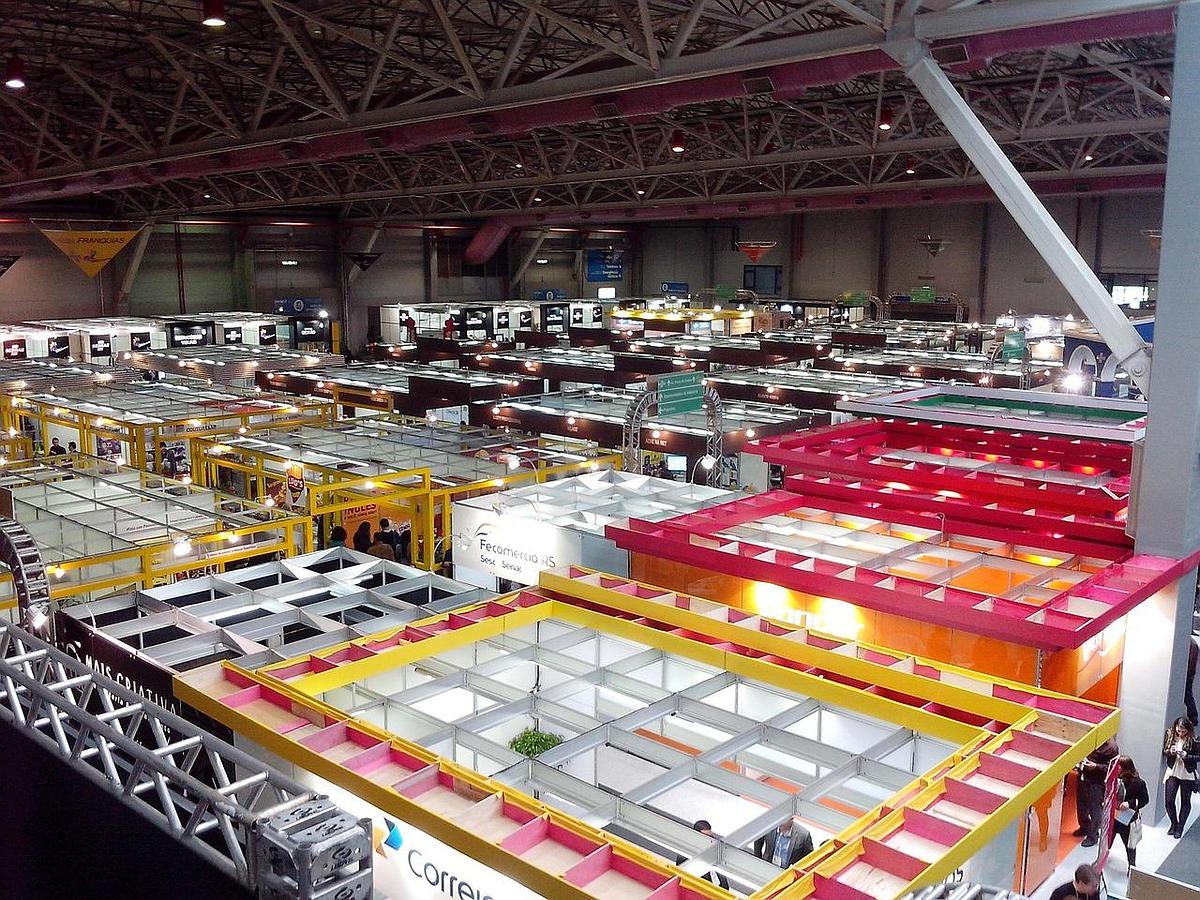
Key points
- Tokyo Big Sight hosts about 300 events a year. Overseas companies exhibit at its trade shows and overseas buyers come to find suppliers, so there is work for interpreters at booths and around the halls.
- The work comes in two forms: interpreting at an overseas exhibitor's booth, or walking the show with a visitor from overseas and interpreting their talks with exhibitors.
- No license is needed. What counts is accurate product and price information, the stamina for a full day on your feet, and preparation.
- Before you start, check that your status of residence allows paid work of this kind. Some statuses need permission from immigration.
- On jpwork hub, there are still few partners in Tokyo who can take the interpreting and business-attending requests that clients are looking for.
Trade shows in Tokyo and where interpreters come in
Tokyo Big Sight describes itself as the largest international exhibition center in Japan. According to its website, it has 16 exhibition halls with a total of 115,420 m², and about 300 events a year. Many are business shows for one industry, such as food, building, machinery or communications. Its event calendar shows that many of them run for two or three consecutive weekdays. Large shows are also held at Makuhari Messe in Chiba, next to Tokyo.
At these shows, overseas companies exhibit and overseas buyers come to look for Japanese suppliers. When the two sides do not share a language, the conversation stops without an interpreter. That is where you come in.
Two kinds of work
1. Interpreting at an overseas exhibitor's booth
You stand at the booth of a company from abroad and interpret between its staff and Japanese visitors.
- Questions about the product, prices, minimum order quantities and lead times.
- Exchanging business cards and agreeing how to follow up.
- You give the same explanation many times, so learn to explain the product in your own words before the first morning.
2. Walking the show with a visitor from overseas
You go around the halls with someone looking for suppliers or partners and interpret their talks with exhibitors.
- Get their list of booths in advance and plan the route together.
- Pass on prices, samples and conditions exactly as they are said.
- The day may continue with a meeting or dinner outside the venue.
Check your status of residence first
Whether you may take paid work depends on your status of residence, not on your skills.
- Permanent Resident, Long-Term Resident, and Spouse or Child of a Japanese National or of a Permanent Resident: no restrictions on work activities.
- Student and Dependent: paid work outside your status needs permission. The Immigration Services Agency lists working as a self-employed person as a case for individual permission, and freelance work through a platform usually falls into this.
- Work statuses such as Engineer/Specialist in Humanities/International Services: if the side job falls outside your current status, you need permission.
If you are not sure, ask your regional immigration bureau before you start (Immigration Services Agency, in Japanese). For details, see side jobs as a guide or interpreter for foreign residents in Japan.
What clients look for
- Accuracy: numbers, units, model numbers and price conditions passed on exactly.
- Industry knowledge: trade shows are organized by industry. If you have worked in food, machinery, construction, IT or another field, say so in your profile.
- Stamina: the halls are large and you stand or walk all day. Wear comfortable shoes and agree on breaks in advance.
- Confidentiality: what is discussed at the booth stays private. Partners on jpwork hub sign a non-disclosure agreement (NDA) with the operator when they register.
- Your native language: if you can interpret directly between your native language, such as Chinese, Korean, Vietnamese or Spanish, and Japanese, visitors from your home country do not need to go through English.
Questions to settle before you accept
- Days and hours: which days of the show, from what time to what time, and whether a setup day is included.
- Entry: whether you enter as exhibitor staff or register as a visitor, and how you receive your badge.
- Materials: catalogs, price lists and common questions with answers, a few days before the show.
- What the price includes: your own transport, lunch and waiting time.
What not to take on
Interpreting and showing the way do not require a travel agency registration. However, booking hotels or transport for clients for a fee may require one. Driving clients in your own car for payment is prohibited in Japan. Travel to the venue together by train or taxi, and let clients make and pay for their own bookings. See travel agency rules and unlicensed taxis.
How to start on jpwork hub
- Apply from the partner page. You must be 20 or older, and the operator reviews each application.
- After approval, write your languages, the industries you know and the areas you cover, such as Tokyo, in your profile. Mention any trade shows you have worked at.
- Publish plans with your hours and prices under Interpretation & Translation or Business Coordinator & Guide. Half-day and full-day plans fit trade show requests well.
- Work starts from requests sent to you, or from your proposals to open requests. Partners whose areas and languages match an open request get an email about it.
You set your own prices. The platform fee is included in the price: 35% for interpreting and business attending, with no registration or monthly fees. A campaign currently sets the fee to 0% for the first 10 requests (until February 28, 2027; see the partner page for the conditions).
For business interpreting in general, see business interpreting and attending as a side job in Tokyo. If you have a salaried job, also see side-job tax returns in Japan.
Frequently asked questions
Do I need a license to interpret at a trade show in Japan?
No. Since 2018, no license is required for paid guide interpreting in Japan. Only the title "National Government Licensed Guide Interpreter" is reserved for people who passed the exam and registered (Japan Tourism Agency, in Japanese).
Can I do this on a student visa?
Only with permission for activities outside your status, and within its conditions. Self-employed work through a platform usually needs individual permission. Ask your regional immigration bureau before you accept any paid request.
I have never interpreted at a trade show. Can I still apply?
Yes. Describe your interpreting experience and the industries you have worked in. Start with shows in your own industry or with shorter requests.
How long does a trade show last?
It depends on the show. Many on the Tokyo Big Sight calendar run for two or three weekdays. You and the client decide whether you work every day or only some of them.
What if a client asks me to book their hotel or drive them to the venue?
Decline. Arranging transport or accommodation for a fee may require a travel agency registration, and driving clients for payment in a private car is prohibited. Ask clients to make their own bookings.
Sources: Tokyo Big Sight, Japan Tourism Agency, Immigration Services Agency, Immigration Services Agency (statuses without work restrictions) (Japanese government sites in Japanese). Information as of November 13, 2026. This article is general information, not legal or tax advice.