
Factory Visits in Japan: Public Factory Tours vs Supplier Visits for Business
Key points
- "Factory visits" in Japan come in two kinds: public tours and museums run by companies for anyone, and business visits to a supplier you want to buy from.
- Public tours usually need a reservation, and some popular ones are closed. Toyota has suspended its plant tours at the headquarters area since July 2021.
- Business visits have no booking system. You arrange them directly with the supplier, so send a clear request well in advance.
- Many factories are far from big stations, and many small makers speak mainly Japanese. Plan transport and language support early.
Two kinds of factory visit
When people search for a "factory visit in Japan", they usually mean one of two things:
- Public factory tours and company museums: run by the company for visitors. Anyone can apply, usually by reservation.
- Business visits to a supplier: you are a buyer, and you want to see how your product will be made, check quality and meet the people in charge. These are arranged one by one.
The way you book, the rules and the help you need are quite different, so it is worth knowing which one you are planning.
Public factory tours and company museums
Toyota: plant tours suspended, museum open
Toyota has suspended plant tours at its headquarters area in Toyota City (the Motomachi, Takaoka and Tsutsumi plants) since July 12, 2021, "until further notice", while it reviews safety. The Toyota Kaikan Museum is open, and Toyota offers a virtual plant tour online (Toyota Kaikan Museum, Toyota Virtual Plant Tour). Check the official page before you plan a trip around a Toyota plant tour.
Mazda Museum: reservation only, free
The Mazda Museum is open to the public free of charge on weekdays, with special openings on some Saturdays. Visitors without a prior reservation cannot be accommodated. The museum also does not accept commercial tours, including tours sold for a fee (Mazda Museum). If you want to go, book your own visit through the official site.
Food, drink and craft makers
Many makers of sake, soy sauce, sweets and other products also run their own tours or showrooms. Rules differ by company: some need a reservation, some are in Japanese only, and some have closed. Always check the maker's official website for the latest information.
Open-factory events
Some manufacturing regions hold events where many factories open their doors at once. In Tsubame-Sanjo (Niigata), known for metal tableware and tools, the "KOUBA FES" factory festival was held from October 1 to 4 in 2026 (KOUBA FES official site, Japanese). Events like this are a good way to see small makers that normally do not take visitors.
Business visits to a supplier
A visit to a supplier is very different from a public tour. There is no booking page: you ask the company directly, and they decide whether and when they can host you. If you have not found suppliers yet, see How to Find Suppliers in Japan.
How to request a visit
- Ask well in advance: send your request several weeks before your trip, with two or three possible dates.
- Explain the purpose: the product you are interested in, the expected quantity, and what you want to see (production line, quality checks, samples).
- List the visitors: names, job titles and company. Small factories may only be able to host a few people at a time.
- Make it easy to read: many small makers reply mainly in Japanese. A short message with a Japanese version attached helps.
On the day
- Photos: ask before you take any photos or videos. Factories often have rules to protect their processes and customers' products.
- Safety: follow the staff's instructions. You may be asked to wear a helmet, shoe covers or other gear, or to stay in marked areas.
- Business cards: bring plenty. Exchanging cards is the usual start of a meeting in Japan.
- Confidentiality: if you will share your own drawings or plans, think about whether you need a confidentiality agreement before the visit.
- Follow-up: send a thank-you message soon after, and confirm in writing anything you agreed on, such as samples, prices or next steps.
Visa
Japan's "Temporary Visitor" status covers short stays for activities such as sightseeing, visits and inspections, attending meetings and business liaison (Immigration Services Agency, Japanese). Whether you need a visa depends on your nationality, so check the Ministry of Foreign Affairs visa page before you travel.
Getting there and language support
Many factories are in regional towns, far from the nearest station. Check the route in advance and use trains, taxis or a hired car with a professional driver. Paid rides in someone's private car are illegal in Japan (see How Much Does a Private Tour Guide Cost in Japan?).
For business visits, an interpreter who knows business and manufacturing terms helps both sides understand each other on specifications, quantities, prices and schedules. Share your documents with them before the visit so they can prepare the right words.
Get local help on jpwork hub
On jpwork hub, you can post your dates, area and what you need for free. Local partners in Japan, such as business coordinators, guides and interpreters, apply to help with supplier visits, on-site interpreting and travel between factories. Compare their profiles and plans, and pay online by card.
See Business Coordinator & Guide
FAQ
Can I visit a Toyota factory in Japan?
Toyota has suspended plant tours at its headquarters area since July 2021 "until further notice". The Toyota Kaikan Museum is open, and a virtual plant tour is available online. Check the official page for the latest information.
Can I join a paid tour of the Mazda Museum?
The museum says it does not accept commercial tours, including tours sold for a fee. It is free, but you need a reservation, so book your own visit on the official site.
How far ahead should I ask a supplier for a visit?
Ask as soon as your travel dates are fixed, ideally several weeks ahead, and offer more than one date. Small factories plan their production schedules in advance.
Do I need an interpreter for a factory visit?
For public tours, many visitors manage without one, though some tours are in Japanese only. For business visits where you discuss specifications and prices, an interpreter makes the conversation much clearer for both sides.
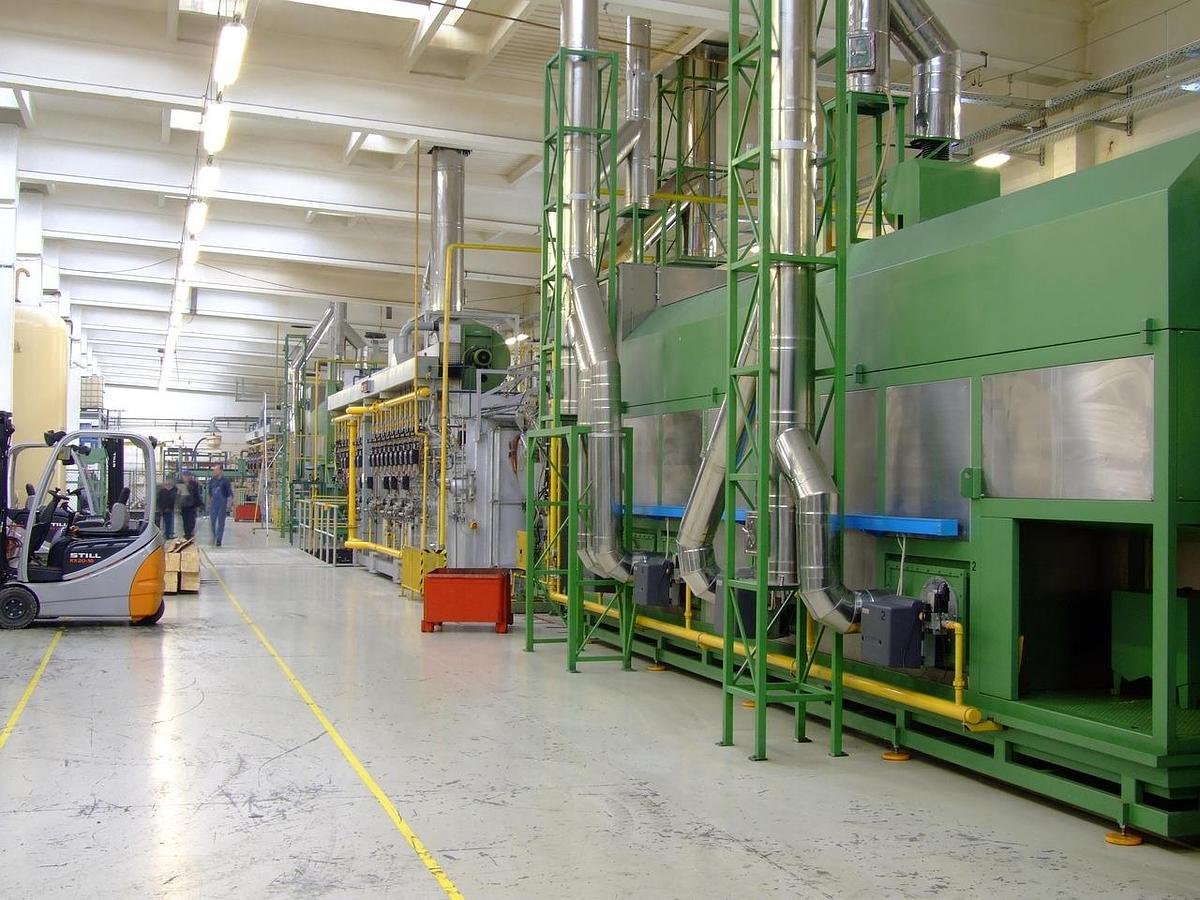
Photo: factory production line by marcin049 / Pixabay License (Pixabay).